
Interior vs Exterior Plantation Shutters: What Perth Homeowners Should Know
I’ve spent over 20 years in and out of Western Australian homes, from the salt-sprayed villas of Scarborough to the baking-hot new builds in Ellenbrook. If there’s one thing I’ve learned, it’s that Perth’s climate is the ultimate test for any window furnishing. Between the 40°C summer stretches and the "Fremantle Doctor" rattling your windows, choosing between interior and exterior plantation shutters isn't just a design choice; it’s a performance choice. Most sales reps will try to sell you whatever has the highest margin. I’m here to tell you what actually lasts.
The Fundamental Difference: Heat vs. Aesthetics
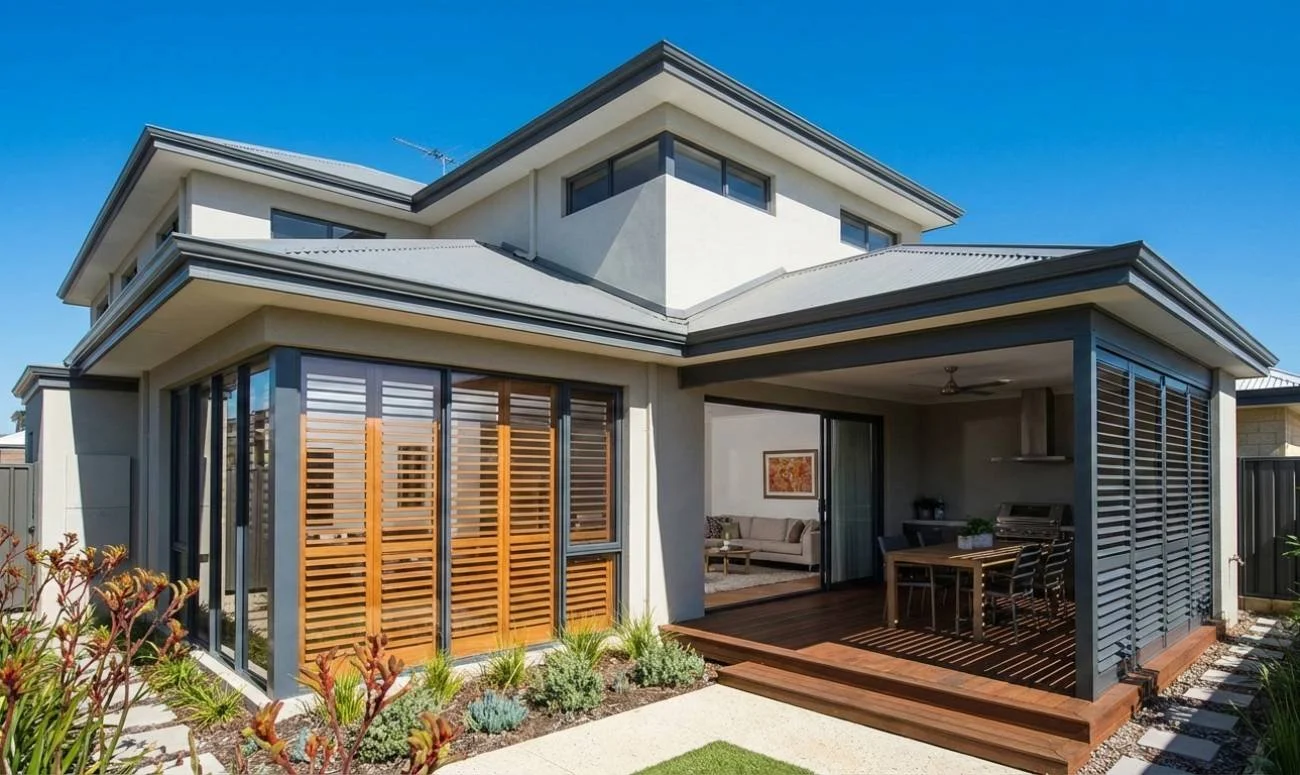
The simplest way to look at it is this: Interior shutters are designed for light control, privacy, and interior "wow-factor." Exterior shutters are engineered for heat rejection and security.
If your primary goal is to stop your living room from becoming a sauna, you need to stop the sun before it hits the glass. That is the job of an exterior shutter. If you want to transform the look of your bedroom and have precise control over the morning light, interior is the way to go.
Part 1: Interior Plantation Shutters
In the Perth market, you’ll mostly see two players: Timber and PVC (Polymer).
Timber (The Craftsman’s Choice)
I always recommend premium hardwoods like Basswood or Paulownia. They are lightweight and offer the best structural integrity for large windows.
The Pro: They can be stained to show the grain or painted. They don't "creep" or sag over time if the panel is wide.
The Con: Never put them in a bathroom or laundry. Even with the best sealant, Perth’s humidity in wet areas will eventually cause the wood to swell and the paint to crack.
PVC/Polymer (The Practical Choice)
In 2026, high-end PVC shutters are indistinguishable from timber to the untrained eye.
The Pro: They are 100% waterproof. If you have a window inside a shower recess or above a kitchen sink, this is your only real option.
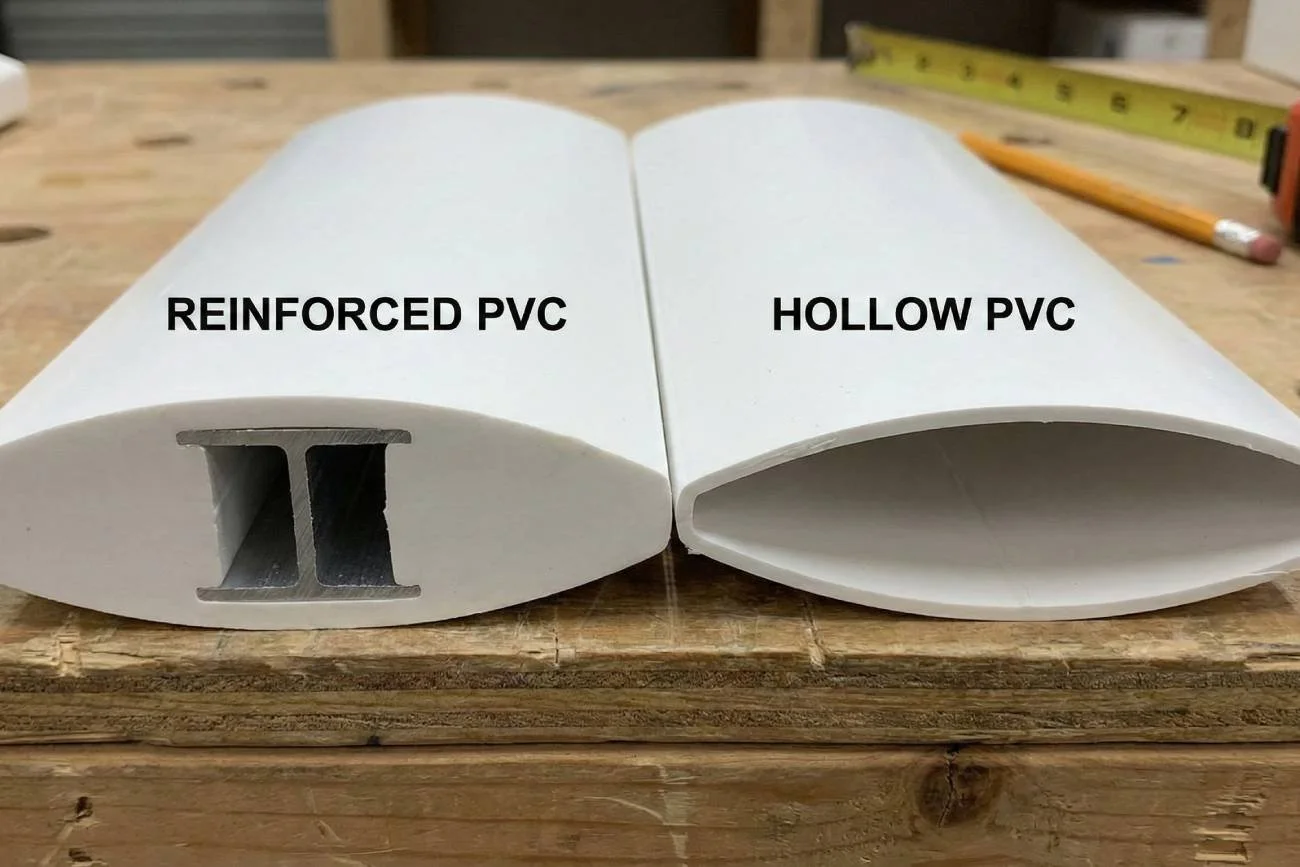
The Con: They are heavy. If an installer doesn't use an aluminium core inside the louvres, they will sag under their own weight within three years.
Part 2: Exterior Plantation Shutters
When we talk about exterior shutters in WA, we are almost exclusively talking about Marine-Grade Aluminium. Don't let anyone talk you into exterior timber; in our UV index, you’ll be sanding and repainting them every 18 months just to keep them from rotting.
Thermal Protection: An exterior aluminium shutter can reduce solar heat gain by up to 90%. By the time the sun hits your window glass, the heat is already trapped inside the house. External shutters keep the glass cool.
Weather Resistance: These are powder-coated to withstand salt spray. If you live within 5km of the coast, ensure your installer uses 316-grade stainless steel hardware. If they use 304-grade or zinc-plated hinges, they’ll be rusted shut by next winter.
This is why we strictly specify that aluminium plantation shutters should be powder coated rather than painted; standard paint simply cannot survive the abrasive coastal winds of WA.
From the Toolbox: The "Out of Square" Reality
One thing a brochure won't tell you is that no window in Perth is perfectly square. As houses settle in our sandy soil, frames shift.
The Master Tip: If your installer suggests a "Z-Frame" for your interior shutters, listen to them. A Z-frame has a decorative lip that overlaps the edge of your window opening. It hides the fact that your window might be 5mm wider at the top than the bottom. An "L-Frame" (which sits inside the reveal) looks sleek but will highlight every gap and crooked line in your masonry.
Interior vs Exterior: At a Glance
| Feature | Interior (Timber/PVC) | Exterior (Aluminium) |
|---|---|---|
| Durability | 10–15 years (if maintained) | 20+ years |
| Maintenance | Dusting with a damp cloth | Occasional hose down (salt removal) |
| Privacy | Exceptional (adjustable louvres) | Good (often used for alfrescos) |
| Security | Minimal (Visual deterrent only) | High (Lockable blades & frames) |
| Best For | Bedrooms, Lounges, Bathrooms | Patios, Balconies, West-facing windows |
For a full breakdown of the trade-offs between these options, read our deep dive on the pros and cons of PVC vs wood vs aluminium to see which one fits your specific budget and design goals.
The "Material Truth": Why 100% Timber Isn't Always King
People love the idea of "natural wood," but I’ve seen $10,000 timber installs ruined because the homeowner insisted on dark-stained timber for a west-facing window. Dark colours absorb heat. In a Perth summer, a dark timber shutter can reach 60°C. Over time, that heat bakes the natural oils out of the wood, leading to warping.
My advice? If you want dark shutters, go for aluminium or a high-heat-resistant polymer. If you want timber, stick to lighter paint colours or ensure the window has significant external shading. It’s also crucial to understand the chemistry of your finish; knowing the difference between water-based vs polyurethane based paints can save you from yellowing and peeling five years down the track.
The Bottom Line
Don't shop for the lowest price per square metre. In the shutter world, the "cheap" option usually means thin staples instead of joinery, plastic hinges instead of metal, and no internal reinforcement.
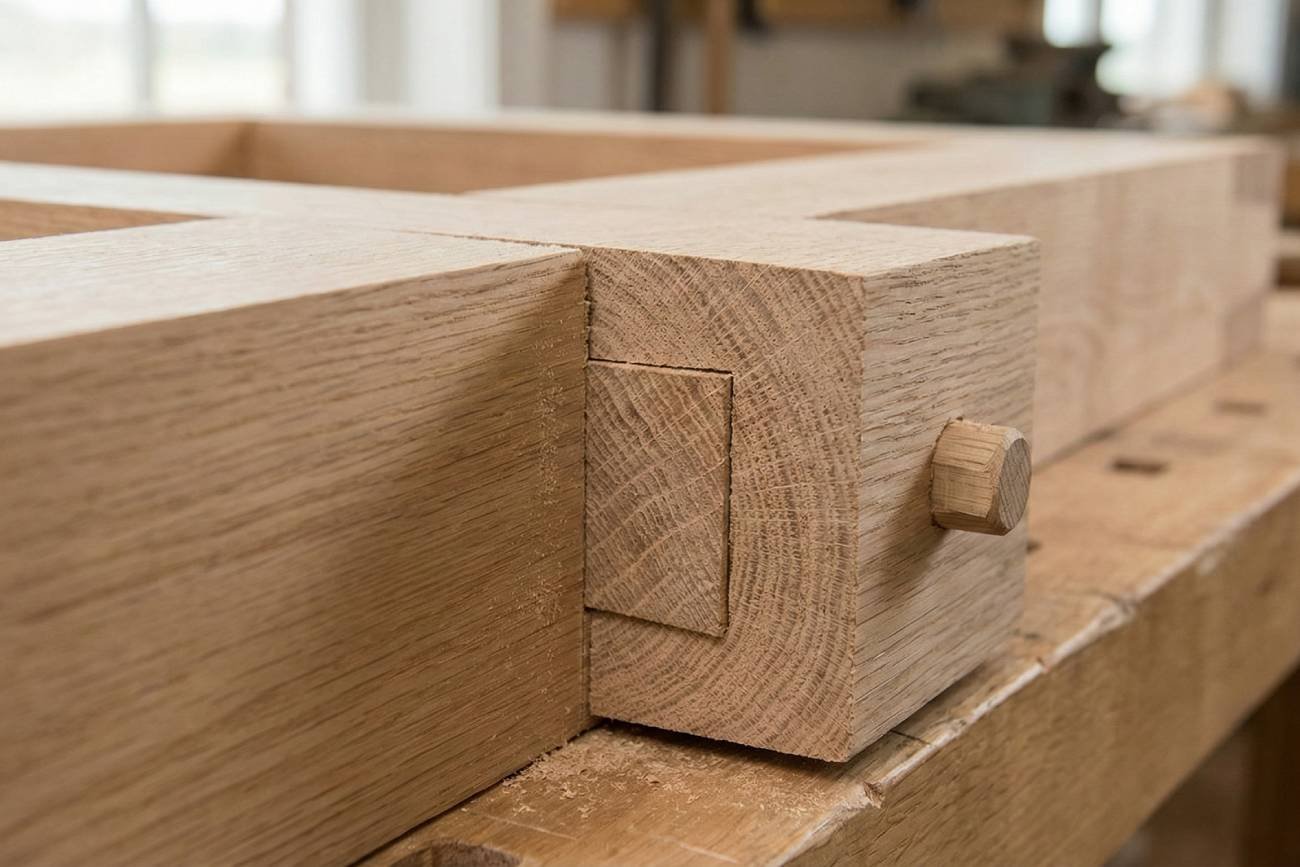
Buy for the orientation of your house. Put aluminium on the west, PVC in the wet areas, and timber in the "showpiece" rooms. And above all, ensure your installer is a craftsman, not just a guy with a cordless drill and a deadline. Get in touch today to discuss which setup will actually survive the Perth climate.